111
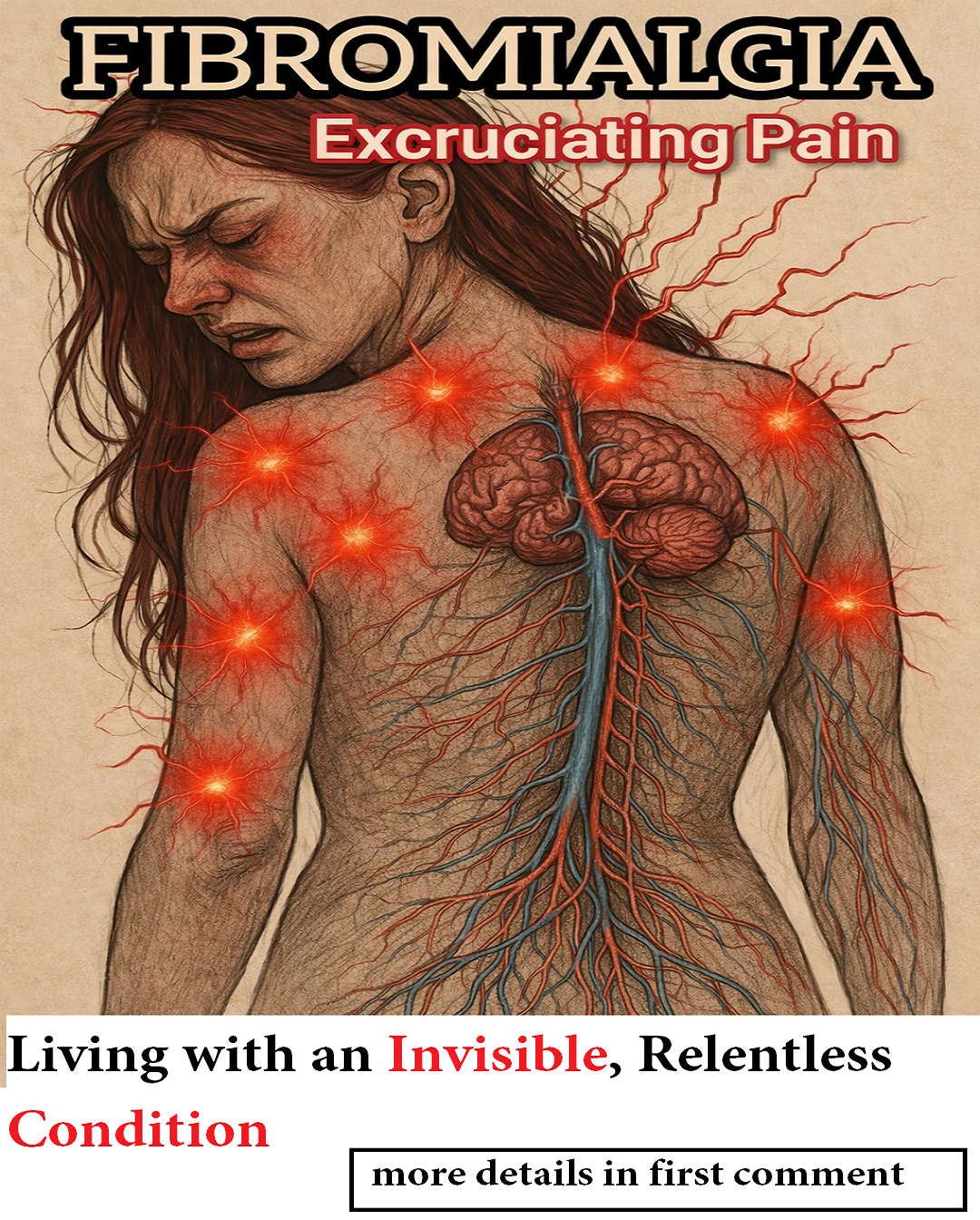
111Fibromyalgia comorbidities are conditions that frequently occur alongside fibromyalgia. Research shows that people with fibromyalgia are more likely to experience other health issues, particularly autoimmune diseases and chronic illnesses. These comorbidities often share similar symptoms, making diagnosis and management more complicated. Recognizing these associated conditions is crucial for effective treatment and improving quality of life.
Chronic fatigue syndrome, also known as myalgic encephalomyelitis (ME/CFS), is one of the most common conditions associated with fibromyalgia. Both disorders share symptoms like extreme fatigue, unrefreshing sleep, and cognitive problems. This overlap often leads to misdiagnosis or delayed treatment.
Irritable bowel syndrome is another chronic condition frequently linked to fibromyalgia. Many patients report digestive issues such as abdominal pain, bloating, diarrhea, or constipation.
Autoimmune diseases are common among fibromyalgia patients, even though fibromyalgia itself is not classified as an autoimmune disorder. These conditions occur when the immune system mistakenly attacks healthy tissues.
Rheumatoid arthritis is an autoimmune disease that causes joint inflammation and pain. While RA is distinct from fibromyalgia, the two often coexist, compounding discomfort and limiting mobility.
Lupus is another autoimmune disease frequently associated with fibromyalgia. It can affect multiple organs, leading to fatigue, joint pain, and skin rashes.
Mental health conditions such as depression and anxiety are prevalent among fibromyalgia patients. Chronic pain and limited physical capabilities can exacerbate feelings of hopelessness and stress.
Migraines are another condition commonly linked to fibromyalgia. Patients often report frequent headaches that can range from mild to debilitating.
The coexistence of these conditions often complicates diagnosis and treatment. For example, a patient experiencing both fibromyalgia and rheumatoid arthritis may struggle to differentiate between joint inflammation and fibromyalgia pain. Similarly, the cognitive issues associated with fibromyalgia and chronic fatigue syndrome can make it hard to focus on treatment plans.
Treating fibromyalgia alone is rarely enough. Addressing chronic diseases linked with fibromyalgia ensures a more comprehensive approach to health. By understanding how these overlapping disorders interact, patients and healthcare providers can develop more effective strategies for symptom management
Living with fibromyalgia is a journey that requires resilience and informed decision-making. Understanding the chronic diseases linked with fibromyalgia can empower patients to take control of their health. While the challenges are undeniable, the right approach can make a significant difference.
Are you living with fibromyalgia or its associated conditions?