111
111
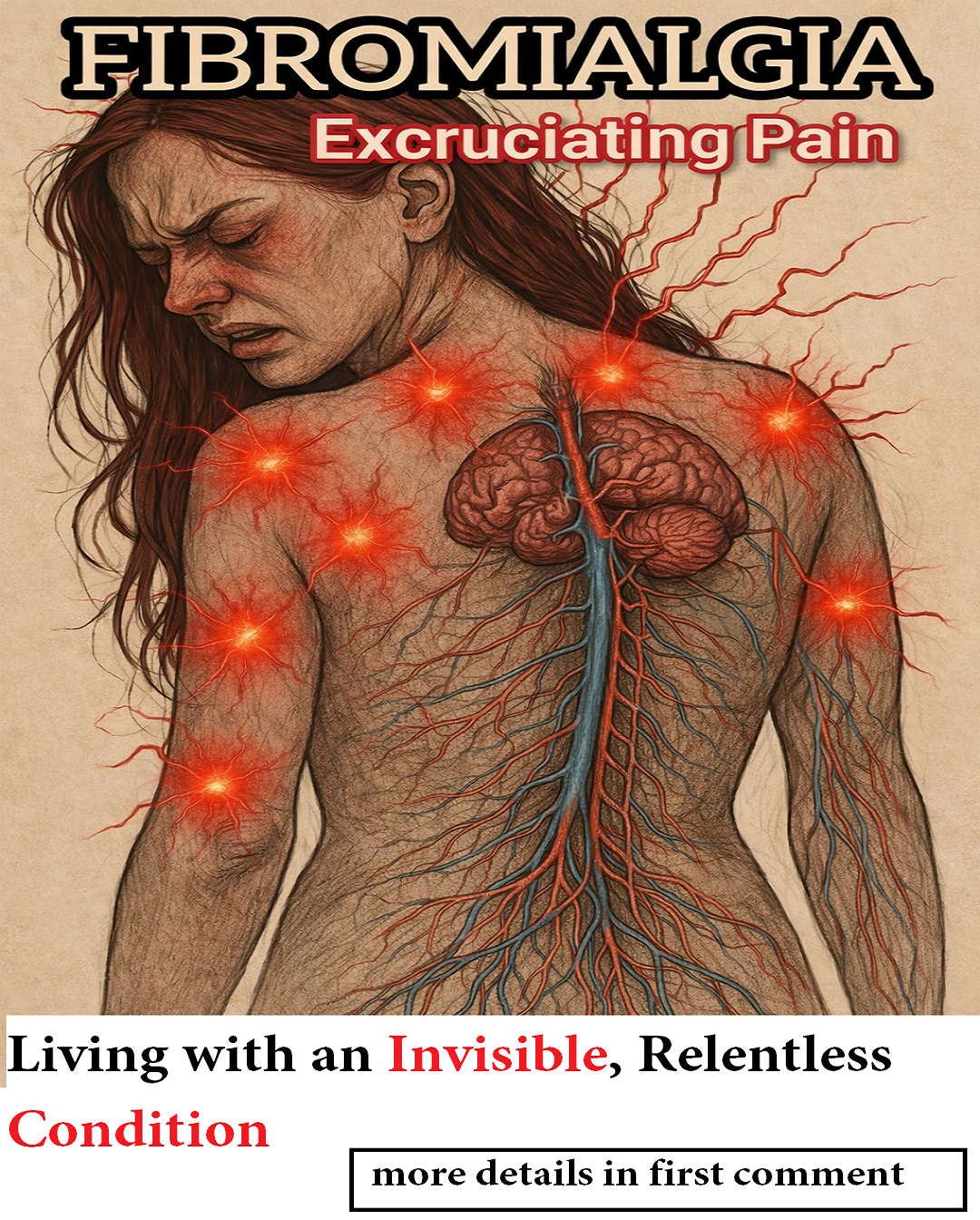
Fibromyalgia is often diagnosed in adulthood, but many sufferers experienced symptoms as children. Unfortunately, childhood fibromyalgia signs were often brushed off as growing pains, fatigue, or simply being overly sensitive. Recognizing these early symptoms of fibromyalgia could have led to better pain management and early treatment, preventing worsening symptoms in adulthood.
Many people with fibromyalgia recall unexplained pain, fatigue, and other symptoms from childhood. However, since fibromyalgia in kids was rarely considered, these signs often went unnoticed.
As a child, you may have frequently complained of aching muscles, tender spots, or joint pain. These were likely dismissed as normal growing pains. However, if the pain lasted longer than expected, moved to different body parts, or worsened with activity, it may have been an early sign of fibromyalgia.
Were you always exhausted, even after a full night’s sleep? Many children with undiagnosed chronic pain also experience sleep disturbances, difficulty falling asleep, or waking up unrefreshed. Sleep issues in childhood can contribute to long-term fatigue and increased sensitivity to pain.
Did certain fabrics, noises, or bright lights bother you more than others? Heightened sensitivity to sensory input is a hidden fibromyalgia indicator that many children experience. If you struggled with loud noises, strong smells, or clothing tags causing discomfort, it could have been an early symptom of fibromyalgia.
Recurring headaches or migraines in childhood can be linked to early symptoms of fibromyalgia. Many children experience tension headaches or even full-blown migraines without an obvious cause. If you had unexplained headaches that worsened with stress or fatigue, they may have been fibromyalgia-related.
Fibromyalgia often involves digestive problems, and these can start in childhood. Conditions like irritable bowel syndrome (IBS), frequent stomach aches, nausea, and food sensitivities are common among children who later develop fibromyalgia.
Had fibromyalgia symptoms been recognized in childhood, pain management strategies and lifestyle adjustments could have been implemented earlier. Here’s why early diagnosis is crucial:
Understanding fibromyalgia in kids means implementing pain-relief strategies early. Gentle exercise, stress reduction, and proper sleep habits could have helped reduce symptoms and improve quality of life.
Many children with undiagnosed chronic pain undergo unnecessary medical tests or treatments. Recognizing hidden fibromyalgia indicators early can prevent years of confusion and frustration.
Living with unexplained pain can take a toll on a child’s mental health. Early diagnosis allows for better emotional support and coping mechanisms, reducing anxiety and depression in later years.
Fibromyalgia symptoms often intensify over time. Early treatment and lifestyle adjustments could have helped slow the progression and lessen the impact of chronic pain in adulthood.
If these childhood fibromyalgia signs sound familiar, consider speaking to a doctor or specialist. Here are some steps to take:
Many adults with fibromyalgia look back and realize they experienced symptoms long before diagnosis. Recognizing early symptoms of fibromyalgia can help manage pain, improve quality of life, and ensure future generations get the care they need sooner.
Do these signs resonate with you? Share your experiences in the comments below!